



Blog

Tech Update: Watch Liver Treatment At Work!

Tuesday, June 18th, 2013

Researchers  who focused on liver cancer treatment have developed a novel technology to witness chemotherapy as it targets cancerous tumors. With these advanced scanners, physicians can see in real time the treatment process, and evaluate if it is working as expected.  This is truly a remarkable advance.

New CT Scan technology targets specific tumors. (Photo Credit: Creative Commons)

New CT Scan to target specific tumors. (Photo: Creative Commons)

Researchers at John Hopkins University have collaborated with Dutch radiologists on what proves to be the best medical innovation. They have developed specialized CT scans that produce real-time images of cancerous tumors as they disintegrate during chemotherapy sessions.

The researchers have used the scanners on 27 liver cancer patients to test its efficacy. The scanner is easy to use and mobile.  It is the size of a standard laptop computer. It produces quality digital imaging, which researchers believe could still be refined and improved.

Chemotherapy for liver cancer works as an injectable medication. The anti-cancer drug is placed directly into the tumors and nearby blood vessels. Within seconds, a successful treatment seems to cause the tumors to shrink and die.

This scanning technology is still under full development, but its potential as a standard equipment in cancer diagnosis and treatment could significantly improve the survival chances of many cancer patients. For one, it could save patients in advanced stages of cancer a lot of time by cutting the waiting time in finding out if one type of therapy is working. Also, it could help treat patients with rapidly developing cancer.

A case in point: At present, many liver cancer patients go through chemoembolization. This treatment uses doxorubicin, which is injected into liver cancer tumors. It takes several weeks for the chemotherapy agent to seep into the tumor, and thus, patients need to wait for at least a month to know if the therapy is effective.

With these CT scans, patients with liver cancer need not endure weeks of waiting, and get the necessary results as soon as possible. This is truly an exciting news!

Artificial 3D Livers Could Replace Animals in Clinical Drug Testing

Monday, June 10th, 2013

In the process of developing of new drugs, scientists have often required the selfless cooperation of our little fury friends – animals. I know what you must be thinking – Isn’t that some form of animal cruelty!?! While no harm is imposed on animal clinical test subjects, experts have nonetheless been trying to devise new testing methods that would end, or at least cut down the use of animal participation in the laboratory. The good news is that researchers at Heriot-Watt University are onto something very promising: artificial human livers that may be viable and available for drug testing!

3D Liver captioning promises more visually accurate diagnosis and treatment options.

3D Liver capturing promises more visually accurate diagnosis and treatment options.

The idea is that artificial livers could be created using actual human cells. With artificial livers, experts could create a new platform for using artificial organs to discover and develop more life-saving drugs.

The team at Heriot-Watt is in the process of creating smaller tissues to form a human liver.  This £100,000 project makes use of the latest technology that is designed to ‘print’ the liver cells onto a digital, three-dimensional surface.

Creating a new drug is a rigorous process of trial and error. To date, pharmaceutical companies have been using a considerable number of experimental animals. These projects are also expensive and often inconclusive, especially when product testing fails during critical stages of development, usually involving human subjects.

The advantages of artificial liver technology are both financial as well as advantageous technically.   Aspects of drug development can be greatly improved upon if artificial replicas of human livers were to be used.  Artificial livers would not only cut the use of live animals in product testing, but also boost the time frame for clinical trials. Results may be achieved faster and sooner.

This “liver-on-a-chip” technique will make it possible for researchers to test on human organ models earlier than ever done before. Glitches on the drug design and composition will be identified long before it is forwarded to a more expensive testing phase.

Most drug companies today make use of two-dimensional cell cultures for drug testing. These, however, are not as efficient when compared with Heriot-Watt’s 3-D modeling and cell-printing technique. The potential of this new technology is clearly boundless and exciting.


THE AL D. RODRIGUEZ LIVER FOUNDATION AND THE WILLIAM F. RYAN COMMUNITY HEALTH NETWORK RAISE OVER $10,000 AT KARAOKE NIGHTS!!

Wednesday, June 5th, 2013
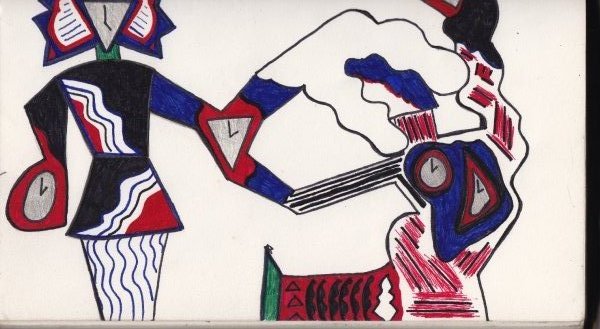
Original art work by Alvaro made for the successful event

Original art work by Alvaro made for the successful event

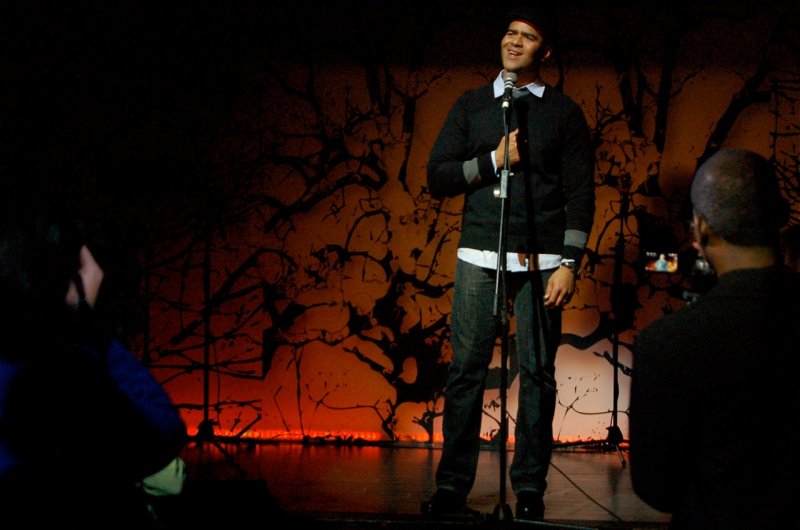
NEW YORK, NY: The Al D. Rodriguez Liver Foundation (ADRLF) hosted another successful event on April 8, 2013, “Karaoke Nights.” Produced in association with the William F. Ryan Community Health Center, the event raised over $10,000 – money that will help support ADRLF’s initiatives in the future.

Hosted by television personality and ADRLF board member Carson Kressley the event was fabulous and fun.  Among those in

attendance were drag performer Sweetie (channeling Vicki Carr for her number), The Countess LuAnn de Lesseps, NY 1 Onstage and LA Times reporter Patrick Pacheco and Broadway veterans Carmen Ruby Floyd,  J. Bernard Calloway and Harriett D. Foy (ADRLF board member).  Also present was respected artist Alvaro, who created and donated the evening’s artwork.  The artwork raised $300 during a silent auction held at the event.

“SCREEN, VACCINATE…DON’T HESITATE!”

See you next year!!

National Hepatitis Awareness Month: ADRLF campaigns for adequate hepatitis screening

Friday, May 31st, 2013
ADRLF's Carson Kressley and Dr Carlos Ortiz supported the National Hispanic Hepatitis Awareness Day in New York.

ADRLF’s Carson Kressley and Dr Carlos Ortiz supported the National Hispanic Hepatitis Awareness Day in New York.

For Hepatitis treatment and prevention, AWARENESS is critical. On May 14, ADRLF joined the Latino Commission on AIDS in celebrating National Hispanic Hepatitis Awareness Day in order to promote the importance of hepatitis awareness and testing for all.

“We want to show solidarity with an organization dedicated to education about the importance of screening and knowledge about the dangers of the Hepatitis virus,” said ADRLF’s Dr. Carlos Ortiz who spoke at the event along with Carson Kressley on the importance of ending viral hepatitis and the need for testing.

Organized by National Hispanic Hepatitis Awareness Day, New York Hep B Coalition and New York Hep C Task Force, the event is part of the Hepatitis Awareness Month celebration and a precursor to the National Hepatitis Testing Day on May 19. It kicked off with a major press conference on the steps of City Hall where public health officials, community leaders and supporters gathered to raise awareness about this global epidemic.

Hepatitis is a silent killer that claims the lives of over 15,000 Americans each year. In New York City, there are about 245,000 living with hepatitis, and around 25 percent develop liver cancer without medical intervention. In spite of the global prevalence of hepatitis, many at-risk populations and the public in general lack adequate information about this deadly disease. The National Hepatitis Awareness Day was especially established to make education and testing widely available, especially to those who have difficult access to medical services and insurance.

“The current way that people are being screened is inadequate,” Dr. Ortiz told the enthusiastic crowd. “Only people with risk factors are being screened, it fails to identify 75% of people with Hepatitis C. People are unable to identify of they have risk factors or don’t know if they have risk factors; hence, they do not get tested.” Dr. Ortiz shared the memory of Al D. Rodriguez, who was unaware of his chronic hepatitis, and succumbed to the disease only six weeks after he was diagnosed of liver cancer.

“If we were screening and treating before it progresses, a lot of money and lives can be saved,” explained Dr Ortiz. “The cost of screening and vaccinations offsets the cost of treating someone who is end stage.”

For this National Hepatitis Awareness Month, let’s all be bearers of the urgent call:
SCREEN. VACCINATE. DON’T HESITATE!

Common Painkillers to Prevent Liver Diseases

Tuesday, May 14th, 2013

Caring for the liver often means taking in pills, including painkillers, health supplements and medications, in moderation. As the body’s organ responsible for processing chemicals, the liver needs adequate rest from the tedious task of breaking down processed food, alcohol, medicines etc. But new studies suggest that common painkillers could prevent hepatitis.  A healthy dose of aspirin or ibuprofen may in fact protect the liver from diseases.

Careful about taking pain killers to keep your liver healthy (Photo Credit: Creative Commons)

Careful about taking pain killers to keep your liver healthy (Photo Credit: Creative Commons)

With the Holidays coming up and this year coming to an end, stress and anxiety levels at work and at home are bound to rise. For a number of people, using painkillers appropriately is a necessary reprieve!

Today, researchers are telling us that common painkillers and non-steroidal anti-inflammatory drugs or NSAIDs have more benefits than curing a headache or easing muscle pains. It could also keep liver diseases, and yes, liver cancer at bay.

A study published in the Journal of the National Cancer Institute shows that people who take common painkillers are less likely to develop chronic liver problems. The study involved over 300,000 respondents whom researchers followed up for 10 to 12 years on their use of painkillers. About 73 percent of these respondents used aspirin while 56 percent were exposed to different NSAIDs.

Research findings say that people who take in aspirin, in particular, reduced their chances of developing hepatocellular carcinoma or HCC, the most common form of liver cancer, by forty percent. Those who took ibuprofen are 26 percent less likely to develop liver diseases.

The use of aspirin, the study revealed, created a steady protective effect.  The frequency of use, however, did not significantly affect its efficiency in inhibiting liver diseases.

This discovery could shed new light in developing affordable preventive measures against liver diseases. Still, researchers advise to take all medicines in moderation. Natural ways to ease the holiday stress are still the most liver-friendly options.

Spring Cleansing for the Liver

Thursday, April 25th, 2013
Spring makes a great time for a liver cleansing (Photo Credit: Creative Commons)

Spring makes a great time for a liver cleansing (Photo Credit: Creative Commons)

Why Do We Love Spring?

Spring brings beautiful chromatic flowers that line our streets.  Spring has a magical mixture of warmth with a cool breeze that creates the perfect outdoor environment. Spring has an inviting vibe that inspires us to renew ourselves.

And what better way to initiate renewal than a spring liver cleanse?

Cleansing the liver helps you feel healthier and lighter by clearing out stagnant toxins and wastes in your body. It doesn’t have to be as expensive or complicated as you think – you can use ingredients you may already have at home, or freshly grown veggies you may have in your own backyard.

Why go on a liver cleanse?

Hepatitis and other liver diseases continue to be the one of the most perilous causes of death around the world. As the second largest organ in the body, the liver serves vital roles in processing all our food and liquid intake. It also controls the balance of cholesterol, blood sugar and hormones in the body.  Such tedious and numerous jobs make it important for us to regularly cleanse the liver.

Liver cleansing can be as basic as beefing up with dark leafy greens and detoxifying liquids.

Spend a few days eliminating meats, and eating more of green leafy vegetables such as bok choy, mustard greens, dandelion, kale and collards. Choose organic ingredients to go with these green vegetables.

Drink a lot of juices and teas to help flush fatty deposits and chemicals from your body. There are a lot of herbal tea varieties that you can choose from with high detoxifying power.  A daily dose of hot water with lemon is a great start.

During your cleanse period, stay away from all processed foods, sugar and flour.  Liver cleansing  might take willpower but you will later thank yourself when you fully enjoy spring with a cleansed liver! Happy Spring.

‘Sweetie’: Drag Performing and Supporting Liver Health on ADRLF Karaoke benefit

Friday, April 5th, 2013

484302_505549142815791_230992127_nFrom the theatre production of Steel Magnolias, to Oprah, and to the Silver Screen, Sweetie has graced entertainment stages with EXCEPTIONAL drag humor, music and…yes, even cartwheels!. On Monday April, 8th 2013 Sweetie will join ADRLF in “Bring it Or Sing it! The Ultimate Karaoke Showdown”, a benefit to fund free hepatitis screenings and vaccinations.

Sweetie is among New York’s Drag Royalty whose artistry and theatrics guarantee an unforgettable performance. Daniel Booth conceived ‘Sweetie’ after watching a show at the late, great drag mecca, The Pyramid. Daniel and his friend asked for a spot in an upcoming show. “After a fateful night of cartwheels, confetti and onstage pyrotechnics, my career ignited and the rest is history,” Daniel told this ADRLF reporter.

Traveling all over the world, Sweetie has appeared on television shows, major motion pictures, as well as Off-Broadway shows. “I find  great balance by incorporating drag with theater,” he shares. “Yes! ‘Sweetie’ is a THESPIAN!”

This time, Sweetie lends her showmanship to raise funds for the uninsured and under-insured. Daniel’s dedication to help ADRLF provide free diagnosis and vaccinations comes from his own encounter with a deadly liver disease. He lost one of his best friends, Mikal Watson, to liver cancer.

“We were both Midwestern by birth with deep southern roots and had run away to the big city about a decade apart from each other,” Daniel said of Mikal. “He taught me how to survive and thrive in NYC. Mikal was my mentor and a true New York character.”

Mikal had been diagnosed with hepatitis C years before he met Daniel. He lived a very healthy life and displayed no alarming health issues related to his liver condition.

“All of that changed however when the owner of his Harlem apartment building hired exterminators to spray the building for bed bugs,” Daniel recalled.

Mikal lived in an old building with very porous wooden floors. At some point, exterminators started to spray insect poison heavily on the wooden floors unbeknownst to the tenants. Mikal, who enjoyed being barefoot in his home, soon became ill– a casualty of the continuous toxic spraying.

After a few months, Mikal was hospitalized and later diagnosed with Stage 4 liver cancer. “Mikals body was taking in huge amounts of the bug poison thru the soles of is bare feet,” explained Daniel. Mikal passed away within six months.

“His death was a tragedy. I miss him every single day,” Daniel said.

Supporting early and free diagnosis of hepatitis and liver cancer is at the heart of Daniel’s personal and professional goals. “For whatever small platform I have to reach people, I feel like its my responsibility to do my part,” he said. “Doing service in my community is really important. It does the soul good.”

Don’t miss Sweetie at ADRLF’s Karaoke Night, with host, Carson Kressley at the Ryan Center on 10th Ave and 45th Street, NY. Doors open at 7:00pm. Get your tickets now!

Your Fingernails and Your Tongue: What Do They Say About Your Liver?

Thursday, February 7th, 2013

Your fingernals says a lot about your liver (Photo Credit: Creative Commons)

It’s interesting how our body shows physical signs that tell us of the condition of our internal systems and organs, including our liver. Many of us are not aware of these signs – some may even argue the reliability of these external manifestations. Still, as we keep an open mind for the sake of health and well-being, many health experts invite us to take a closer look at our fingernails and tongue, as they can tell us important things about our liver.

Fingernails are made of protein layers that grown underneath the base of the nail, just behind the cuticle. They are not made of living tissue, but rather of old cells that have accumulated and hardened. It takes some time for fingernails to develop, and during this period, any change in a person’s health would also manifest in the nail. This can come as changes in the shape, color and texture of the nail.

When any of these changes are observed, it usually indicates that there’s a medical problem that should be checked out.

It is important, however, to make sure that any change in the appearance of fingernails is not caused by other factors, such as fungus or forcible impact on the nail and fingers.

The tongue, on the other hand, is believed to be an indicator of your digestive health. When your tongue is smooth and pink, it shows that your digestive tract as well as your liver are in good shape. However, if you see that your tongue is coated, it’s very much a sign of several digestive and liver problems. Spotty tongues are often linked with poor digestion, and the presence of bad bacteria in the stomach. Since your liver helps digestion by generating bile, having a coated tongue could also mean that your liver is not producing enough fluid for your body to properly digest food, especially fat.

But then again, people who smoke, and those who are sick and dehydrated often get spotty, coated tongues. So be careful in making conclusions when you see that your tongue is not as smooth and pink as it should be.

It won’t take up much of your time to check on your fingernails and your tongue, and figure out what they could be saying about your body. You can think of it as your body’s own way of helping you take care of it!

LiverTox: Liver and Drug Research Made Easy

Monday, January 14th, 2013

The liver is central in processing anything and everything we take in – from our favorite breakfast cereal, vitamins and medications, to our late night snack of chocolate and wine. For many people, caring for the liver may not come easily with all the medications they must take. But just how dangerous are drugs to the liver? Using a new database, finding out the specific effects of a pharmaceutical drug to the liver is now just a few mouse clicks away.

This month of October, the National Institute of Health (NHI) proudly introduced LiverTox, a free pharmaceutical database that provides accurate and updated information on a wide range of drugs including prescription and non-prescription medicines, herbal products and dietary supplements. It provides a thorough report on a particular drug, including its chemical structure, manufacturer information, and related case studies.

With LiverTox, it is now convenient to access information on the relative effects of certain medications on the liver. It gives an overview of drug-induced liver injury, illustrating the different clinical patterns of liver damage, and the process of liver biopsy.

LiverTox is indeed a valuable resource for healthcare professionals, researchers and patients. To date, the database has data on over 700 pharmaceutical products, and around 300 more are set to include in the next years.

LiverTox is the product of innovative incorporation of medical research and informatics to give people across the world access to evidence-based data. Every section of the database has been verified by the Food and Drug Association (FDA), pharmaceutical scientists and medical experts.

Another feature of this comprehensive database is a case registry, which contains information that will improve clinical analysis of the different signs and patterns of liver diseases. Finally, it encourages user interaction, allowing users to submit cases of drug-induced liver damage that NIH automatically sends to the FDA and MedWatch for futher analysis. So for all you liver and drug-related questions — LiverTox has your answers!


Natural Killer Cells: Your Body’s Ammos that Target Liver Cancer

Monday, December 3rd, 2012

Natural killer cells for cancer treatment

Included among the innovative ways being developed to diagnose and treat diseases, researchers are advancing a more natural way of addressing liver cancer using natural killer cells (NKS). As curious as they sound, we decided to explore and explain NKS.

NKS are naturally-occurring cells that live in our body,  and  have been subject of numerous studies for cancer treatment, especially cancer of the blood. Today, there is a growing body of evidence supporting the use of  these killer cells to improve the treatment for hepatocellular cancer (HCC), the most common form of liver cancer.

In previous immunotherapy studies, natural killer cells have been used to develop treatments for global epidemics like HCC.  In liver cancer treatment, these cells are extracted from a healthy liver and enhanced in the laboratory. These cells react with different levels of potency when combined with various chemicals and antibodies. When injected into the bloodstream, these cells aggressively target cancer cells.

In a new study at the University of Southampton, researchers are creating different combinations of chemical stimuli that would give the best anti-cancer effects when combined with natural killer cells.

The continuous rise of hepatocellular cancer in the United States, as well as the difficulty of getting a liver transplant have urged researchers to explore the full capacity of using natural killer cells in liver cancer treatment. HCC accounts for about 90 percent of liver cancer cases in the country. It is primarily due to repeated scaring in the liver over a long period of liver damage.

Liver transplant does not guarantee the survival of patients. In the US alone, approximately 20 percent of liver transplant patients die from the recurrence of cancer in the newly transplanted liver. Experts believe that even after liver transplant, cancer cells still linger in the blood stream. Natural killer cells would hinder this relapse by killing as many tumor cells as possible.

Further studies on NK cell immunotherapy are still underway but researchers express their high hopes on the benefits that this new treatment could offer to liver cancer patients.